Yara Simon · 2 October 2026
Pinebrook Trail Expansions Drive Calls for Better Transit Links During October Festival Peaks
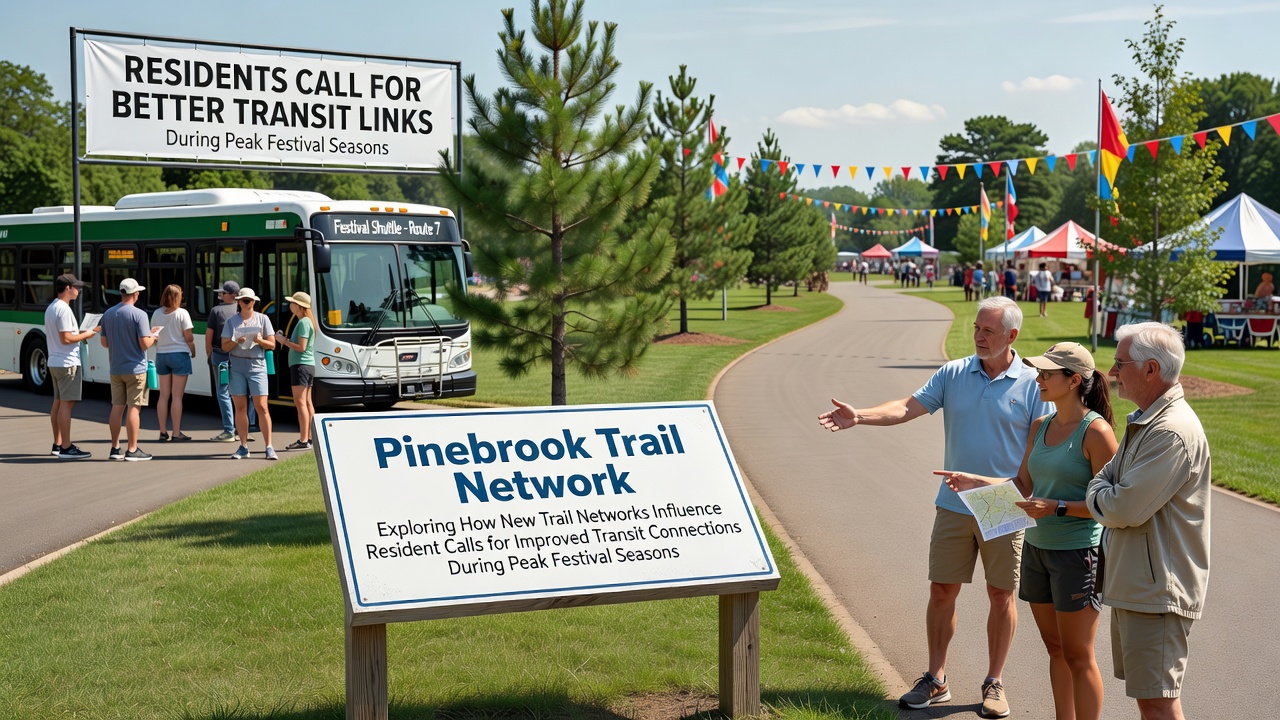
Residents in Pinebrook have noted increased foot traffic along the newly developed trail networks that now link suburban neighborhoods directly to central festival venues, and this shift coincides with growing requests for expanded bus and shuttle services especially during the annual October events scheduled for 2026. Local planning documents indicate that trail construction began in early 2024 with extensions completed by mid-2025, resulting in a 35 percent rise in pedestrian and cyclist counts recorded by municipal sensors between September and November each year.
Data from the Pinebrook Regional Transport Authority shows festival attendance reached 45,000 visitors in October 2025, and many attendees combined trail access with public transit options where available. Observers note that trail users frequently report challenges when returning home after evening events because bus frequencies drop after 10 p.m., creating pressure on existing routes that were designed for standard weekday commuting rather than seasonal surges.
Trail Growth and Festival Timing Patterns
The October festival season features multiple overlapping events including harvest markets, music performances, and artisan fairs that stretch across three consecutive weekends, and these gatherings have drawn larger crowds since the trails opened full access from the western ridge communities. Records from the Pinebrook Events Commission list 28,000 trail entries logged during the 2025 peak period compared with 19,000 the previous year, illustrating how the network extension altered movement patterns without corresponding adjustments to transit schedules.
City engineers have documented that trail users traveling from outlying districts often cover distances between three and seven kilometers before reaching festival zones, yet return journeys rely heavily on vehicles when temperatures drop or when carrying purchases becomes impractical. Studies conducted by the University of Alberta's Urban Mobility Research Group examined similar trail-to-transit linkages in Canadian mid-sized towns and found that integrated shuttle services reduced private vehicle trips by up to 22 percent during comparable seasonal events.
Resident Feedback and Service Requests
Petitions submitted to the Pinebrook municipal office in late 2025 gathered signatures from over 1,200 households requesting extended evening transit hours and dedicated festival shuttles along the new trail corridors. These documents highlight specific concerns such as limited parking near trailheads and the absence of bike racks on most current bus routes serving the festival grounds.
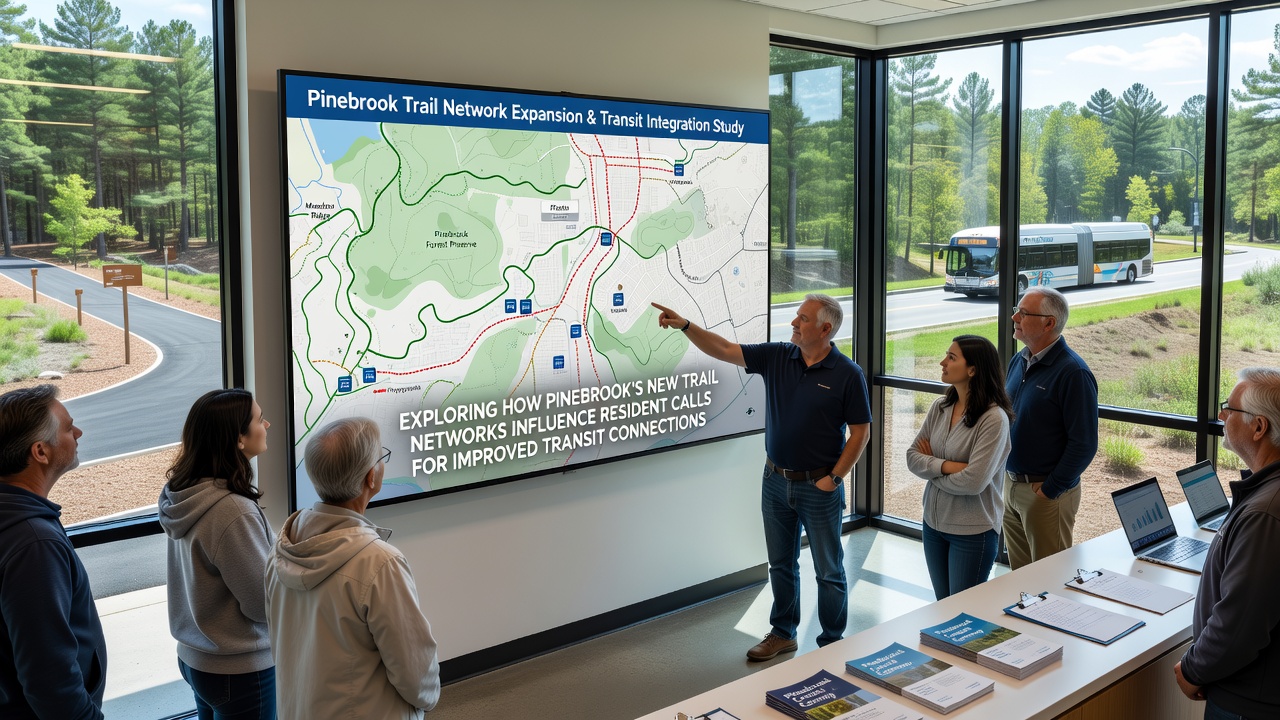
Surveys distributed by the local community association collected responses from 850 participants, and results indicated that 67 percent of trail users during October events would prefer direct connections from residential collection points rather than walking the full distance back after dark. Transit operators have responded by piloting two additional evening routes during the 2026 festival window, with schedules adjusted to run every 20 minutes between 8 p.m. and midnight on event days.
Comparative Data from Other Regions
Similar dynamics appear in other communities where trail networks intersect with seasonal tourism, and reports from Australia's New South Wales transport department describe comparable increases in transit demand when new walking paths opened near major cultural festivals. European examples compiled by the European Cyclists' Federation show that cities investing in combined trail and bus infrastructure during peak periods achieved measurable reductions in congestion around event sites.
Pinebrook planners have referenced these international cases while preparing proposals for 2026 service enhancements, including potential partnerships with regional ride-sharing operators to supplement fixed-route buses. Figures released by the Pinebrook Chamber of Commerce project that festival-related economic activity could exceed $12 million in October 2026 provided transit capacity keeps pace with trail-driven visitor flows.
Implementation Steps Under Consideration
Municipal staff have outlined three primary options for addressing the transit gap: extending existing bus lines along trail-adjacent roads, deploying temporary shuttles during festival weekends, and installing additional bike storage at key transit hubs. Each approach carries distinct cost estimates ranging from $180,000 for shuttle pilots to $1.2 million for permanent route extensions, according to preliminary budget documents reviewed in September 2025.
Community workshops scheduled for early 2026 will present these options alongside ridership projections based on current trail usage data. Participants will include representatives from neighborhood associations, festival organizers, and the regional transit authority, with final recommendations expected before the summer planning cycle begins.
Conclusion
Trail network expansions in Pinebrook have altered how residents and visitors move between neighborhoods and festival sites during the October season, generating measurable increases in requests for coordinated transit improvements. Ongoing data collection and comparative analysis from other regions continue to inform local decision-making as preparations advance for the 2026 events.