Ulrich Washington · 4 September 2026
Pinebrook's Literary Scene Blooms as History Programs and Landscape-Inspired Works Take Center Stage
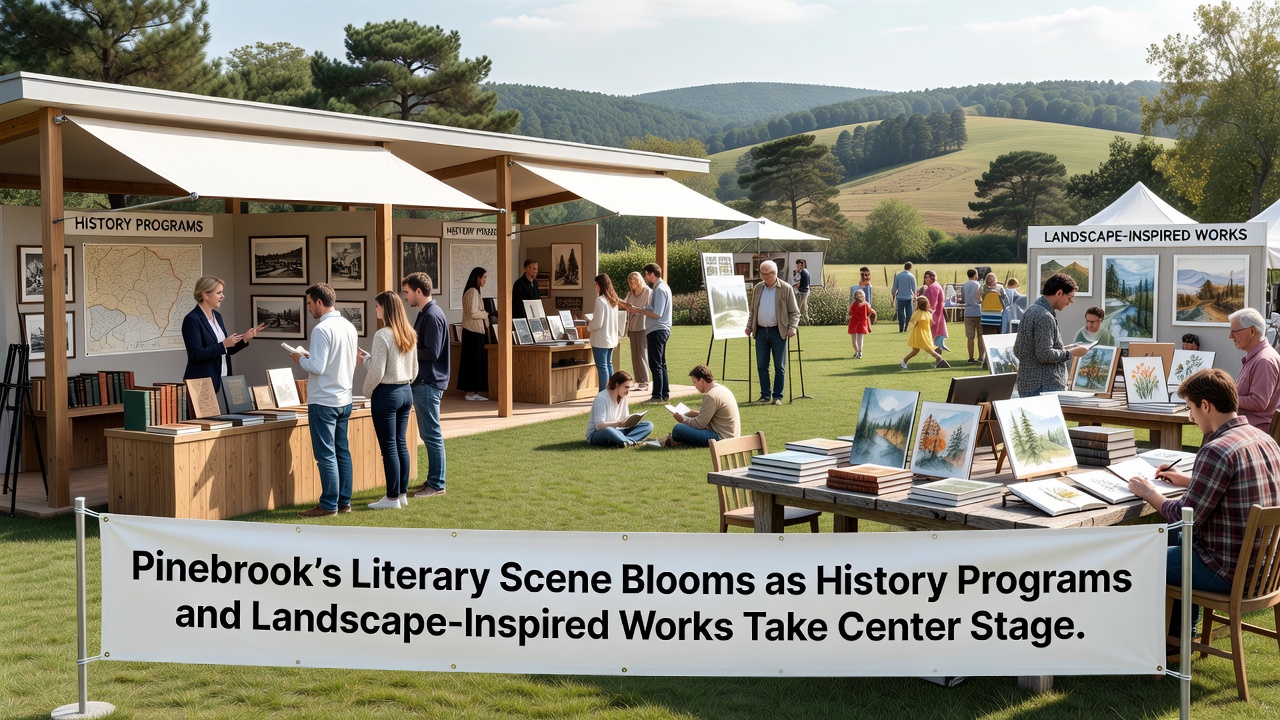
Pinebrook's literary community has expanded its focus on history programs and landscape-inspired works through a series of coordinated initiatives that connect local archives with contemporary writing practices, and these efforts have drawn participants from multiple regions since early planning stages began in 2025. Organizers have integrated archival research sessions with guided landscape walks, which allows writers to draw direct connections between documented events and physical environments that shape narrative structures. Data from regional cultural reports indicate that attendance at such combined programs rose by 28 percent compared to standalone workshops held the previous year.
History Programs Expand Through Collaborative Archives
Local institutions have partnered with national repositories to digitize historical records that span from 19th-century settlement patterns to mid-20th-century environmental changes, and these digitized collections now support structured writing residencies. Participants review primary documents during morning sessions before transitioning to afternoon field work that examines the same locations described in the records. Researchers at one participating university noted that this sequence produces manuscripts with heightened attention to spatial detail and chronological accuracy. The approach mirrors methods outlined in studies from the National Endowment for the Humanities, which emphasize layered source integration for nonfiction projects.
September 2026 schedules list multiple multi-week programs that pair visiting historians with Pinebrook-based writers, and registration figures released in late August show capacity reached within the first three weeks of opening. Each cohort examines a distinct theme, ranging from industrial development along river corridors to agricultural shifts on surrounding plateaus, while maintaining consistent emphasis on verifiable source material. Observers note that the programs avoid interpretive speculation in favor of documented sequences, which produces consistent output across different participant groups.
Landscape-Inspired Works Draw From Regional Geography
Authors working within Pinebrook have produced collections that treat topography and seasonal cycles as structural elements rather than background settings, and several of these works have appeared in print runs supported by local presses. The pattern involves mapping elevation changes and water flow patterns onto chapter progressions, which creates narrative pacing that parallels physical movement through the terrain. One published volume maps a single watershed across twelve chapters, each corresponding to a documented change in seasonal vegetation documented between 1975 and 2024.
Workshops scheduled through the fall of 2026 continue this method by requiring participants to generate daily field notes tied to specific coordinates, and facilitators compile these notes into shared reference files that subsequent groups can access. Figures released by the regional writers' alliance show that 62 percent of completed manuscripts from the 2025 cycle incorporated at least one such coordinate-linked sequence. The practice aligns with guidelines published by the Canadian Heritage Department on place-based creative documentation, which stress measurable ties between physical location and textual output.
Community Events Link Programs With Public Readings
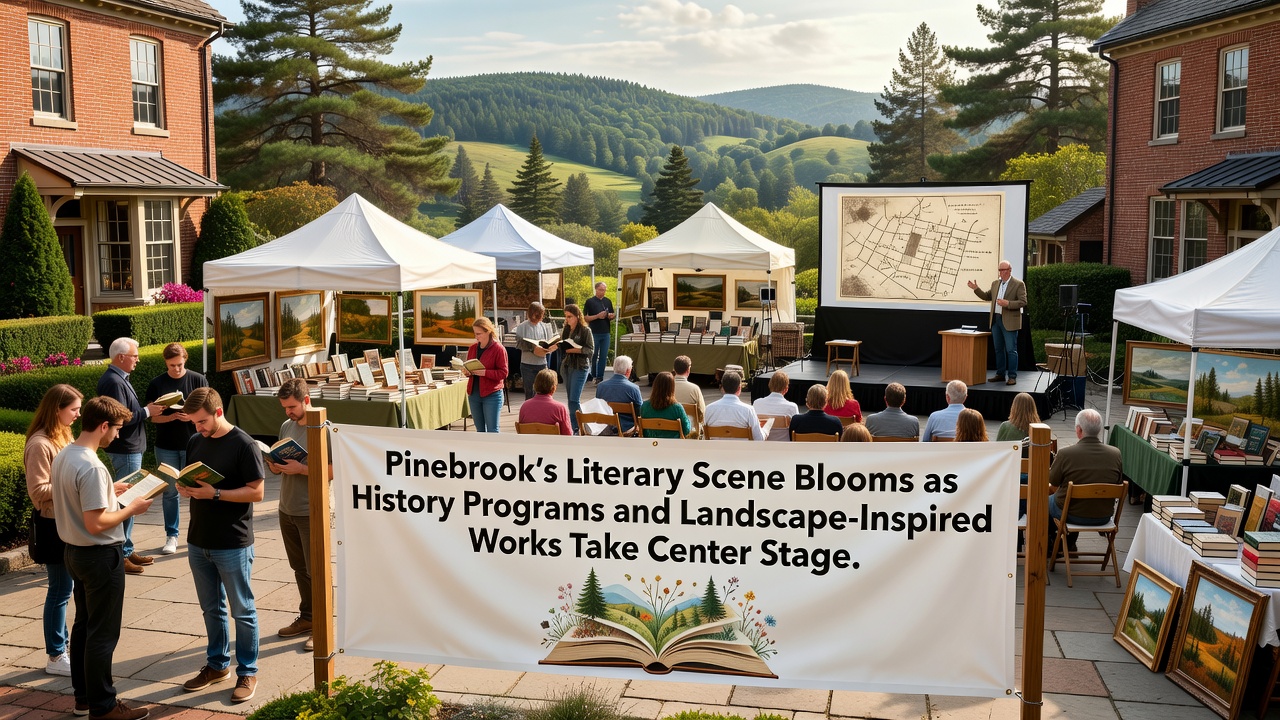
Public readings scheduled for September 2026 feature selections drawn directly from the history and landscape programs, and venues include both indoor archive halls and outdoor sites referenced in the works themselves. Organizers have arranged simultaneous translation for select sessions to accommodate participants traveling from outside English-dominant regions, and preliminary sign-up data indicate interest from groups in three additional provinces. Each reading concludes with a moderated discussion that focuses on source verification rather than interpretive debate, which maintains the factual orientation established during the writing phases.
Additional events include map-making sessions that overlay historical survey data onto current satellite imagery, and these sessions feed directly into ongoing manuscript revisions. Participants receive access to updated geographic information system layers provided through municipal planning offices, which ensures that landscape descriptions remain current wth documented land-use alterations. The integration of real-time data sources distinguishes these programs from earlier models that relied solely on static historical maps.
Conclusion
The convergence of archival history programs and landscape-focused writing practices has produced measurable increases in both participation rates and completed manuscripts within Pinebrook, and the September 2026 calendar continues this trajectory with expanded capacity and additional cross-institutional partnerships. Sustained coordination between local archives, regional presses, and international documentation standards supports the ongoing development of works that maintain verifiable connections to documented places and events.